Computation and Cognition Conference 2025

Join us in Halifax on 15 August 2025 for the Computation and Cognition Conference (CCC 2025), a one-day meeting at Dalhousie University bringing together researchers in cognitive science, neuroscience, psychology, and AI.
The conference focuses on the computations that underlie behaviour in humans, animals, and machines. Our aim is to deepen connections between communities that rarely share a room: experimentalists and theorists, neuroscientists and AI researchers, clinicians and modelers. Registration is free and open to participants at all career stages.
What to expect
- A full day of keynote talks from leaders in computational psychiatry, developmental psychology, cognitive science, and AI.
- A poster session for students, postdocs, and faculty, with two Best Poster Awards selected by the organising committee.
- Plenty of time for networking and informal discussion over coffee, lunch, and a post-conference reception.
- An interdisciplinary audience spanning computer science, psychology and neuroscience, psychiatry, philosophy, and related fields.
Themes and topics
We especially welcome work that:
- Compares biological and artificial systems, or uses AI methods to understand brain and behaviour.
- Builds computational or mechanistic models of perception, cognition, emotion, learning, and action.
- Uses machine learning to model neural data or behaviour, or designs biologically inspired AI.
- Measures and expands the representational capacities of modern AI systems.
- Develops approaches to interpret deep neural networks and understand how they work.
- Relates sensory inputs to behavioural responses using psychophysical methods.
- Bridges cognitive, neural, and computational levels of description.
If your work lives at the intersection of computation and mind, CCC 2025 is for you.
Invited speakers
Invited speakers
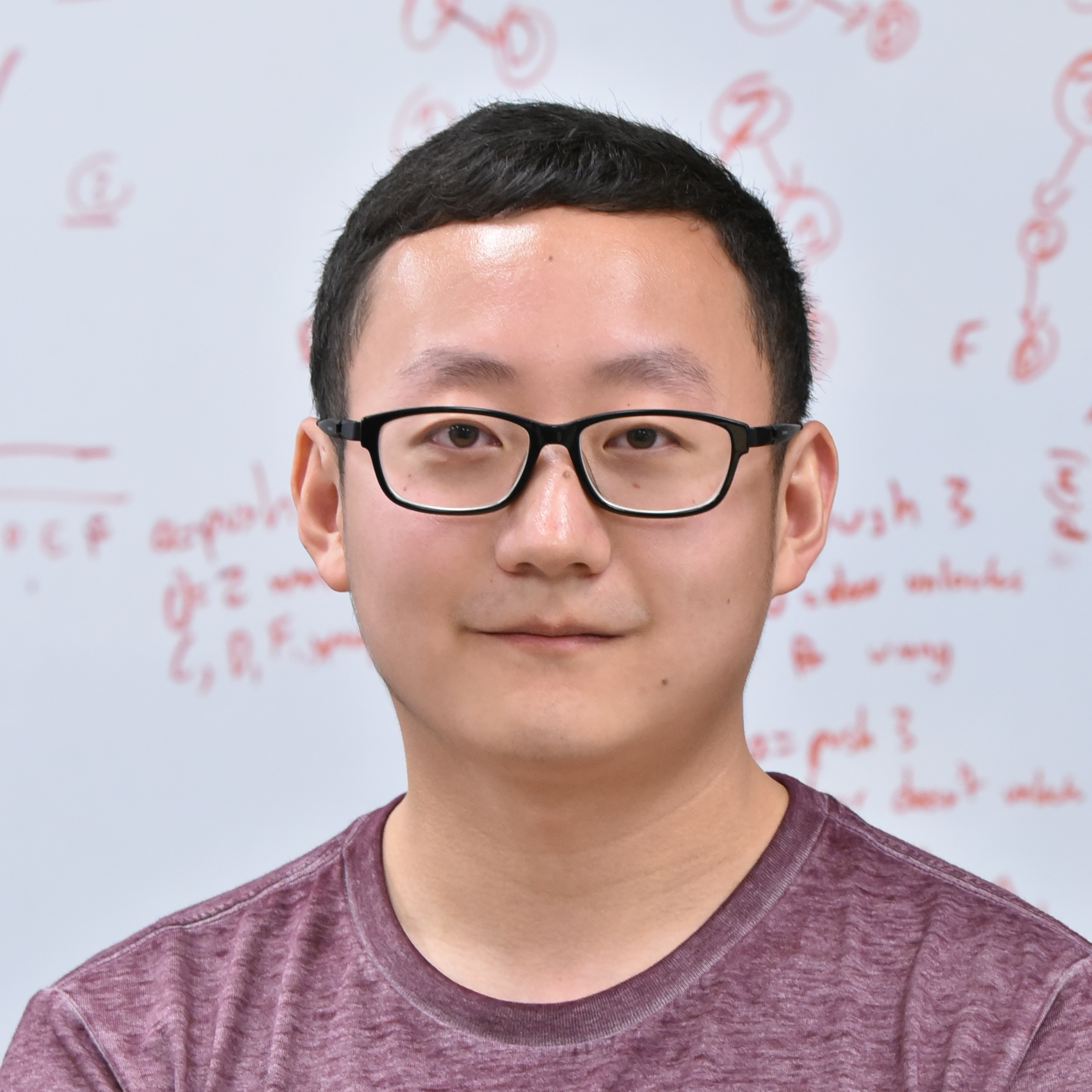
Tianmin Shu
Johns Hopkins University
Talk: Scaling model-based social reasoning
Keywords: social reasoning, model-based RL, human-centred AI
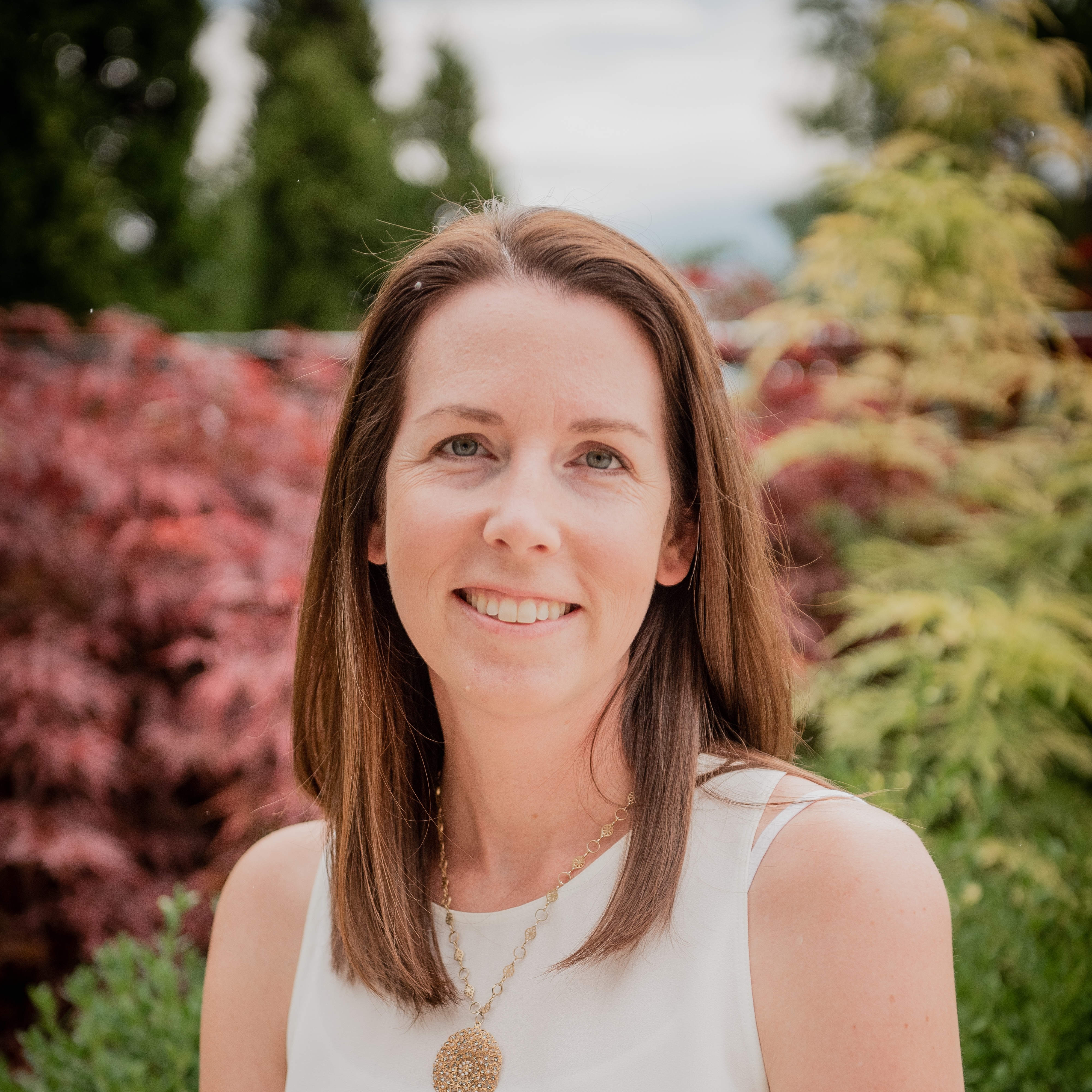
Stephanie Denison
University of Waterloo
Talk: Children’s use of probability in social inferences
Keywords: developmental psychology, probabilistic reasoning, cognition

Abraham Nunes
Dalhousie University
Talk: Computational models of mental illness: how can we achieve clinical utility?
Keywords: computational psychiatry, mood disorders, clinical modelling
Kevin Ellis (virtual)
Cornell University
Talk: Keynote (title TBA)
Keywords: neuro-symbolic AI, program synthesis, concept learning
Call for posters
We invite poster contributions from students, postdocs, and faculty across all relevant disciplines.
Poster slots are assigned on a first-come, first-served basis, with a set number of reserved spaces for Computer Science and Psychology. Two Best Poster Awards will be selected by the organising committee.
Poster details
- Dimensions: up to 30 × 40 inches (portrait or landscape).
- Session: 15 August, 9:00–17:00 (during and following the main program).
Key dates
- June 15, 2025 – Poster abstract submission opens
- August 1, 2025 – Poster abstract submission deadline
Confirmed presenters will receive logistical details (poster board assignments, setup times, etc.) by email.
To submit a poster abstract and register:
Conference schedule (preliminary)
The conference will be held on Friday, August 15, 2025 at the Kenneth C. Rowe Management Building, in Atlantic Daylight Time (ADT).
| Time | Session |
|---|---|
| 8:30–9:00 | Breakfast and informal networking |
| 9:00–9:30 | Opening remarks |
| 9:30–10:30 | Keynote — Computational Models of Mental Illness: How Can We Achieve Clinical Utility? — Abraham Nunes |
| 10:30–11:00 | Coffee break |
| 11:00–12:00 | Keynote — Children’s use of probability in social inferences — Stephanie Denison |
| 12:00–13:30 | Lunch (provided on site) |
| 13:30–14:30 | Keynote — Scaling Model-based Social Reasoning — Tianmin Shu |
| 14:30–15:00 | Coffee break |
| 15:00–16:00 | Keynote — Kevin Ellis (virtual) — title TBA |
| 16:00–17:00 | Poster and networking session |
| 17:30–20:00 | Post-conference reception (limited capacity; details sent to registered attendees) |
Venue
CCC 2025 will take place in the Kenneth C. Rowe Management Building on Dalhousie’s Studley campus in Halifax. The Rowe is a modern, five-storey building with technology-enhanced classrooms, an airy glass atrium, and flexible meeting spaces — an ideal setting for a day of talks and posters.
Who should attend
The conference is designed for:
- Researchers in cognitive science, neuroscience, psychology, psychiatry, philosophy, and AI
- Trainees at all levels, from undergraduates to postdocs
- Industry and clinical partners interested in computational approaches to cognition and mental health
Whether you’re building computational models, collecting behavioural or neural data, or deploying AI systems in the wild, you’ll find collaborators here.
Registration
Registration is free, but required for space and catering planning.
Organisers
- Marta Kryven – Assistant Professor, Computer Science, Psychology & Neuroscience, Dalhousie University (marta.kryven@dal.ca)
- Aaron Newman – Professor and Chair, Psychology & Neuroscience; cross-appointments in Computer Science, Psychiatry, Surgery, and Pediatrics, Dalhousie University
- Raymond Klein – Professor Emeritus, Psychology & Neuroscience and Computer Science, Dalhousie University
- Simal Dolek – Graduate Student, Psychology & Neuroscience, Dalhousie University (simal.dolek@dal.ca)
- Ryan McCarthy – Event Coordinator, AI Institute
For general inquiries, please contact Marta Kryven or Ryan McCarthy.
Program committee
- Xuemin Yu — Graduate Student, Computer Science
- Cameron Calder — Graduate Student, Medical Neuroscience
- Robie Gonzales — Graduate Student, Computer Science
- Max Mascini — Research Assistant, Psychology & Neuroscience
- Ciaran Lawless — Research Assistant, Computer Science; Psychology & Neuroscience
Sponsors
CCC 2025 is supported by:
- Dalhousie University, Department of Psychology and Neuroscience
- Dalhousie University, Faculty of Computer Science
- Dalhousie University, President’s Office
- Dalhousie University, AI Institute